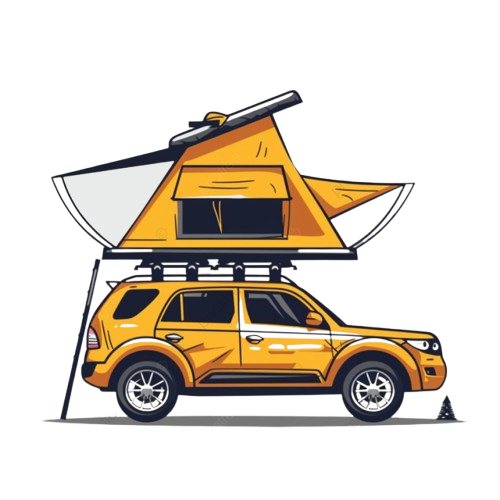
Can you actually drive yourself to Bwindi and Queen Elizabeth National Park? Yes. Uganda drives on the left, the main roads to the southwest are paved, and plenty of travellers do this route themselves. The honest version: the tarmac gets you most of the way, then the last stretch to Bwindi is steep, winding murram (graded dirt) that turns slick in the rains. That final approach is where a proper 4×4 stops being a nice extra and becomes the reason you arrive. Plan two long driving days each way, never drive after dark (our contract prohibits night driving without prior written approval), and the trip is very doable.
This guide is written from the driver’s seat. It covers the route from Entebbe and Kampala, what the surface does, which of our vehicles suits which leg, where to buy fuel, where to sleep, and what tends to go wrong. If you want the wider picture first, see our overview of self drive car hire in Uganda and Rwanda.
The route at a glance
| Leg | Approx. distance | Realistic time at the wheel | Surface |
|---|---|---|---|
| Entebbe airport to Kampala | about 40 km / 25 mi | 1 to 3 hours, traffic dependent | Tarmac, heavy traffic |
| Kampala to Queen Elizabeth (Mweya) | about 410 km / 255 mi | 7 to 9 hours | Tarmac, then park tracks |
| Kampala to Bwindi (Buhoma side) | about 500 km / 310 mi | 10 to 12 hours | Tarmac, then steep murram |
| Mweya to Ishasha sector | about 100 km / 60 mi | 2.5 to 3.5 hours | Tarmac and gravel |
| Ishasha to Bwindi (southern sectors) | about 60 to 80 km / 40 to 50 mi | 2.5 to 4 hours | Mostly murram |
Mapping apps underestimate murram roads. A map may say a leg takes four hours that really takes six. Add 30 to 50 percent to any app estimate once the tarmac ends, and more after rain. Trucks, cattle, boda-bodas (motorcycle taxis), potholes and slow hill climbs eat time that a map does not see.
Starting point: Entebbe or Kampala
Most guests land at Entebbe. We deliver to airports and hotels, and Kampala is one of our five hubs. Our advice for jet-lagged travellers: do not drive out of Kampala on arrival day. The city’s traffic is intense, and because Uganda sits on the equator the sun sets at roughly the same early-evening time all year, which leaves little margin. Rest near Entebbe or in Kampala, take the vehicle handover in daylight, and leave early the next morning. See our Kampala pick-up hub for how collection works.
A calm daylight handover matters: the 4×4 controls, the roof tent or pop-up roof, the fridge and the camping gear all need a proper walk-through. Ask about anything unfamiliar before you leave.
The long haul southwest
From Kampala, the usual line is the paved road through Masaka and Mbarara. From Mbarara you choose a branch:
- To Queen Elizabeth: west toward Bushenyi and the park gates near Mweya.
- To Bwindi: south toward Kabale for the southern sectors, or via Rukungiri and Kihihi for the Buhoma and Nkuringo sides.
The tarmac is generally fine, but it is a working highway: slow trucks, speed bumps in every town, and sudden stops. Our contract sets 80 km/h on highways and 50 km/h in towns. Keep to it. Overspeeding can void insurance and trigger deductions from your deposit.
A sensible split is two days each way: Kampala to the Mbarara region on day one, then the second leg into Queen Elizabeth or toward Bwindi. Trying to do Kampala to Bwindi in a single day tempts you to drive after sunset, which you must not do.
Where the tarmac ends and what the surface becomes
Queen Elizabeth: the main approach is paved. Inside the park, game tracks are graded dirt or gravel, rough in places. In dry weather a capable 2WD could manage the main loops, but a 4×4 with good ground clearance is far more comfortable and safer on rutted, rocky or muddy tracks. In the Ishasha sector tracks can be soft after rain.
Bwindi: this is where the drive changes character. The final approach to the trailheads is steep, narrow murram climbing through terraced hills and forest edge, with sharp bends, drop-offs and washouts after heavy rain. Road works come and go. In the dry season it is slow but manageable. In the wet season it can be genuinely demanding.
Is 4×4 genuinely needed?
- Bwindi, wet season: yes, treat it as mandatory. Red clay becomes slick, wheels spin on climbs, and a 2WD saloon or small SUV can get stuck or slide toward the edge. High clearance and low range for steep, slippery climbs are the difference between arriving and being towed. Learn the 4×4 system at handover: our insurance excludes damage from improper use of the 4×4 system.
- Bwindi, dry season: 4×4 is still strongly recommended. Steep gradients, loose stone and ruts remain.
- Queen Elizabeth, dry season: a high-clearance 2WD could cope on the main tracks. A 4×4 still helps on off-loop tracks and soft ground near Ishasha.
- Water: our contract prohibits driving through water deeper than 30 cm (about 12 inches). If a stream or flooded section looks deeper, turn back or wait.
Which of our vehicles suits this trip
Prices are per day, as published on our site. All include free camping gear for two.
| Vehicle | Price/day | Why it fits this route |
|---|---|---|
| 4×4 Camper Cruiser with roof tent | $100 | The budget route to a self-contained trip. Automatic. Available in Uganda and Rwanda. |
| 4×4 Safari Van with pop up roof | $120 | Up to 9 incl. driver, automatic, AC. Comfortable for a group; ask us about the Bwindi approach in the wet season before choosing it. |
| 4×4 Landcruiser VX with roof tent or pop up roof | $130 | Up to 5 incl. driver. A strong all-rounder for the whole circuit. |
| 3 Seater 76 Series with roof tent or pop up roof | $140 | Up to 4 incl. driver. Rugged and simple for rough tracks. |
| 4×4 VX with double roof tent | $145 | Labelled RECOMMENDED on our site. Two roof tents suit a family or two couples camping. |
| 5 Seater 78 Series with pop up roof | $160 | Labelled BEST 4X4. Up to 6 incl. driver. Good for the rough Bwindi approach with luggage. |
| 3 Seater 79 Series with roof tent and pop up roof | $180 | Labelled BEST SELLER. A strong choice for a two- to three-week circuit. |
| 7 Seater 78 Series with pop up roof AND DRIVER | $230 | Up to 8 incl. driver. Driver/guide included, so you do not drive the steep murram yourself. |
Related vehicle pages: 4×4 Camper Cruiser with roof tent and VX with double roof tent.
The 78, 76, 79 and VX models are manual; the Camper Cruiser and Safari Van are automatic. Honest notes from guests: our 4x4s are older Land Cruisers, the 78 Series air conditioning is modest, the vehicle gets dusty on murram, and the fridge cools slowly and switches off with the engine.
If you are nervous about the Bwindi climb, the 7 seater with a driver and guide removes the problem. Tell us your dates and we will recommend honestly.
Fuel: the last reliable stops
- Fill up in the larger towns on the way: Mbarara, Kabale, Rukungiri and Kihihi are the usual choices, and the Mweya and Katunguru area has fuel near Queen Elizabeth.
- On the steep Bwindi approach and in the Ishasha sector, treat fuel as scarce. Arrive at the last big town with a full tank and top up again before the climb.
- Murram and steep climbs raise consumption. A long-range tank is available as an option; ask when booking.
- Per our contract, buy fuel only from Shell, TotalEnergies, Rubis or an equivalent recognised station. Contaminated or incorrect fuel is the hirer’s liability.
- The vehicle is supplied with approximately one quarter tank and returned at the same level. Unused fuel is not refunded.
The gate and the park authority
Both Bwindi Impenetrable National Park and Queen Elizabeth National Park are managed by the Uganda Wildlife Authority (UWA). Check the official UWA website for current entry rules, fees and gate information. We do not quote fees here because they change.
Gorilla permits are issued through UWA. We assist with booking gorilla and chimpanzee permits and park entry, and guests mention this help in their reviews. Permits can sell out in busy periods, so raise permits at the same time as your vehicle booking. For prices, trekking rules and requirements, go to UWA directly.
Our contract sets 30 to 40 km/h inside national parks. Wildlife has right of way, and you must stay on the tracks.
Queen Elizabeth National Park: what to expect
Mweya and the Kazinga Channel. The Kazinga Channel links Lake Edward and Lake George. The Mweya peninsula overlooks it, and boat cruises along the channel are a highlight, with hippos, buffalo, elephants and waterbirds along the banks. Book via your lodge or the park.
Ishasha and the tree-climbing lions. Ishasha lies in the south of the park, on the way to Bwindi’s southern sectors, and is known for lions that rest in fig trees. It is a natural half-day detour between Queen Elizabeth and Bwindi. Sightings are never guaranteed. Go early or late (while respecting the no-night-driving rule), drive slowly, and give a cat in a tree plenty of room.
Driving the game tracks yourself. Keep to marked tracks, stay in the vehicle unless permitted, and if elephants are on the track, stop, stay calm and give them time to move.
Where to sleep
Both parks have public campsites, special campsites, private lodge campsites and lodges. We do not list rates or availability here.
- Public and special campsites: ask UWA or the camp directly for current rules and availability.
- Rooftop tent: works well at Queen Elizabeth and Ishasha campsites on a flat, firm pitch. At Bwindi, with steep damp terrain and cool nights at altitude, many guests prefer a lodge on trek nights. Avoid soft ground in the rain. See what is included in our camping equipment list and our guide to a self-drive camping safari in East Africa.
- Lodges: a good choice around your gorilla trek day. Book early in peak months.
- No smoking in the vehicle or tents. Camping equipment loss or damage is charged at full replacement value.
Bring warm layers: Bwindi is cool and it can rain on any day of the year.
Seasonality: what the roads do in the wet season
Uganda has two main rainy seasons, broadly March to May and around October to November.
- Dry months: murram is dusty and corrugated but passable. This is the easiest time for self-drivers.
- Wet months: the Bwindi approach becomes slick red mud, and landslips can partly block the road. Allow extra time, use your lights, and do not push on if conditions deteriorate. Queen Elizabeth tracks, especially around Ishasha, can turn soft.
- Rule of thumb: travelling in the rains means a proper 4×4, an early start and a spare buffer day.
The honest bit: what goes wrong, and what to do
- Stuck in mud on a climb. Slow before the hill, choose the right gear, use low range if needed and avoid wheelspin. Locals often help; if you cannot move, call us.
- Tyre damage. Rough tracks cut tyres. Check the spare and jack at handover. Tyres, rims, windscreens and undercarriage are excluded from standard insurance; the optional Windscreen and Tire Damage Waiver is USD 100, non-refundable.
- Running late. Night driving between sunset and sunrise is prohibited without prior written approval, and unauthorised night driving voids insurance. Be at your lodge or campsite well before dusk.
- Breakdowns. Check oil, coolant, tyre pressure and warning lights. Contact us immediately and do not authorise repairs without our approval; in a genuine emergency a nearby mechanic may help, but contact us first. We make reasonable efforts to repair or provide a replacement where operationally feasible. Response times depend on location, accessibility and vehicle availability, so we cannot promise a fixed time. Mobile signal can be patchy in remote areas, so tell someone your plan.
- Wildlife on the road. Slow down near park borders and at dusk.
- Crossing from Rwanda. Starting at our Kigali hub and entering Bwindi’s southern side is a popular alternative (see self drive in Rwanda). Cross-border travel requires prior written approval, a valid COMESA Yellow Card and cross-border fees. Unauthorised crossing ends the rental and voids insurance. Tell us before booking confirmation.
Deposit and driver basics
The security deposit is USD 1,000 or EUR 950, payable before collection. Cash is preferred; card or Pesapal is possible on request, with the fees paid by the customer. The refund begins after vehicle inspection and takes 6 to 14 working days, then depends on your bank. Minimum driver age is 23, with at least 2 years of driving experience. Full details are in our rental terms.
A 10 to 12 day shape for this trip
- Arrive at Entebbe, rest, collect the vehicle in daylight.
- Drive Kampala to the Mbarara area and overnight.
- Continue to Queen Elizabeth (Mweya), arriving before dusk.
- Kazinga Channel cruise and a game drive.
- Move south to Ishasha, with an early drive for the tree-climbing lions.
- Drive on to your Bwindi base (allow a long day on the murram).
- Rest or buffer day.
- Gorilla trek (permit via UWA, with our booking assistance).
- Buffer day, then start back.
- Return via Mbarara and Kampala to Entebbe.
Want a longer loop? See our self-drive East Africa overview.
FAQ
1. Can you self drive to Bwindi?
Yes. The roads are paved most of the way and the last stretch is steep murram. A 4×4 with good clearance is strongly recommended in the dry season and essential in the wet season.
2. Do I need a 4×4 for Queen Elizabeth National Park?
Not always in the dry season, but a high-clearance 4×4 is more comfortable and safer on rough or muddy tracks, especially around Ishasha.
3. How long is the drive from Kampala to Bwindi?
Roughly 500 km (310 miles). Plan 10 to 12 hours, or better, split it over two days. Mapping apps underestimate the murram portion.
4. Can I drive at night in Uganda?
Our contract prohibits night driving between sunset and sunrise without prior written approval. It is also risky because of pedestrians, livestock and unlit vehicles.
5. Can you help with gorilla permits?
Yes. Permits are issued by the Uganda Wildlife Authority, and we assist with booking them. See UWA for current prices and trekking rules.
6. Can I use a rooftop tent at Queen Elizabeth and Bwindi?
Yes at campsites with suitable pitches, which is common at Queen Elizabeth and Ishasha. At Bwindi many guests prefer a lodge on trek nights.
7. Can I start in Rwanda and drive into Bwindi?
Cross-border hire is allowed across Kenya, Tanzania, Uganda and Rwanda, but it needs prior written approval, a COMESA Yellow Card and cross-border fees. Tell us before booking confirmation.
8. What if the car breaks down?
Contact us immediately. We make reasonable efforts to repair or provide a replacement where operationally feasible. Response times depend on your location.